



Putting algae
to work
Putting algae
to work
to work
Hear Prof. Sinton's talk about algae
 Skip to content

Natural Power
Exploring the World of Microalgae: A Look at the Health Benefits and Potential of These Tiny Organisms
Algae are among the most diverse and important organisms on Earth. Found in oceans, lakes, rivers, and even extreme environments, algae range from microscopic single-celled organisms known as microalgae to giant kelp forests that can grow more than 150 feet in length.
Despite their simple appearance, algae play a critical role in sustaining life on our planet. Through photosynthesis, algae are estimated to produce a significant portion of the world’s oxygen while serving as the foundation of many aquatic food chains. Their ability to efficiently convert sunlight, carbon dioxide, and nutrients into biomass has helped shape Earth’s ecosystems for billions of years.
Among these organisms, microalgae stand out as some of the oldest and most resilient life forms ever discovered. Having survived dramatic changes in climate, atmosphere, and environmental conditions throughout Earth’s history, microalgae continue to thrive today because of their remarkable adaptability and efficiency.
Long before forests covered the land, microalgae were helping transform Earth’s atmosphere through oxygen-producing photosynthesis. Scientists believe these ancient microorganisms played a crucial role in creating the oxygen-rich environment that made complex life possible.
Today, microalgae continue to support planetary health by naturally absorbing carbon dioxide and releasing oxygen. As concerns about climate change and environmental sustainability grow, researchers are increasingly recognizing the potential of algae as part of a more sustainable future.
Unlike many traditional crops, microalgae can grow rapidly while utilizing relatively small amounts of land and resources. Some species are capable of doubling their population within hours under optimal conditions, making them one of the most productive biological systems on Earth.
Microalgae possess several unique characteristics that make them attractive for future technologies and sustainable manufacturing.
Exceptional Productivity
Microalgae are highly efficient at converting sunlight, carbon dioxide, and nutrients into valuable biological compounds. Their rapid growth rates enable continuous production of renewable resources with a relatively small environmental footprint.
Resource Efficiency
Many microalgae species can be cultivated using non-arable land, saline water, or other environments unsuitable for conventional agriculture. This reduces competition with food crops while maximizing resource utilization.
Carbon Capture Potential
As natural photosynthetic organisms, microalgae absorb carbon dioxide during growth, making them an attractive platform for future carbon management and sustainability initiatives.
Renewable Biological Platform
Microalgae can serve as biological factories capable of producing a wide range of valuable ingredients and materials for numerous industries.
One of the most exciting applications of microalgae is their ability to produce bioactive compounds that support human health and nutrition.
Researchers continue to explore microalgae as sustainable sources of:
These naturally occurring compounds are increasingly being incorporated into dietary supplements, functional foods, and wellness products around the world.
Among the many valuable compounds produced by microalgae, astaxanthin has emerged as one of the most extensively researched.
Natural astaxanthin is produced by the freshwater microalga Haematococcus pluvialis, widely recognized as the richest natural source of this remarkable carotenoid antioxidant.
Research has explored astaxanthin’s potential role in supporting:
Today, natural astaxanthin is one of the most sought-after ingredients in the global dietary supplement industry.
For many years, commercial production of natural astaxanthin remained challenging due to limited understanding of microalgae cultivation and processing.
Historically, astaxanthin could only be obtained in small amounts from marine organisms such as shrimp, krill, lobster, and salmon. However, these animals do not produce astaxanthin themselves—they accumulate it through their diet, which ultimately originates from algae.
Advances in biotechnology have transformed this industry by enabling scientists to identify, cultivate, and optimize specific strains of Haematococcus pluvialis for commercial astaxanthin production.
Modern cultivation systems, combined with advanced extraction technologies, now allow natural astaxanthin to be produced efficiently, sustainably, and at a quality suitable for human supplementation.
Microalgae are also one of the original sources of marine omega-3 fatty acids.
Long-chain omega-3s such as DHA and EPA, traditionally associated with fish oil, originate from algae at the base of the marine food chain.
These essential fatty acids are widely recognized for supporting:
As demand grows for sustainable and plant-based nutrition, algae-derived omega-3s continue to gain popularity worldwide.
Microalgae also offer significant potential as a future protein source.
Many species contain high-quality protein with a favorable amino acid profile, making them attractive ingredients for functional foods and alternative nutrition products.
Compared with traditional protein production systems, microalgae may offer advantages in land use efficiency, sustainability, and environmental impact.
As the global population continues to grow, algae-based proteins may play an increasingly important role in supporting future food security.
The future potential of microalgae extends far beyond human health and nutrition.
Researchers are actively exploring algae-derived alternatives for:
Because microalgae can be cultivated using renewable biological processes, these applications may help reduce reliance on fossil fuel-derived products while supporting a more circular economy.
At Astadaily, we believe algae represent one of the most promising natural resources of the 21st century.
Their ability to produce powerful health-promoting compounds, capture carbon dioxide, grow sustainably, and support future innovation makes them uniquely positioned to address some of the world’s greatest challenges.
By combining advanced cultivation technology with scientific research, we are helping unlock the potential of microalgae and bringing the benefits of natural astaxanthin to people around the world.
Microalgae have shaped life on Earth for billions of years and continue to demonstrate extraordinary potential for the future. From producing oxygen and capturing carbon dioxide to generating valuable compounds such as astaxanthin, omega-3 fatty acids, and proteins, these remarkable organisms offer solutions that support both human health and environmental sustainability.
As scientific innovation continues to advance, microalgae are poised to play an increasingly important role in nutrition, biotechnology, sustainable manufacturing, and the transition toward a more resilient future.

Get special discounts on our best-selling products. Shop now while supplies last, with free shipping on orders over $60.

Unlock the potential of microalgae: learn how they can contribute to a sustainable future and why research on them is essential.
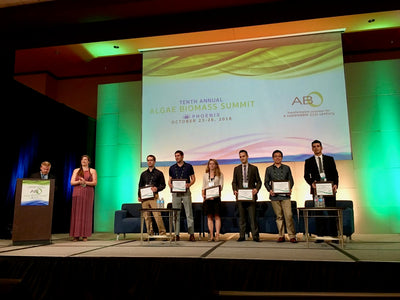
Explore Iconthin Biotech's record of accomplishments in algae research & business, from 2016 academic conference to current success.


