



Boost your health
with Astadaily
Boost your health
with Astadaily
with Astadaily
Start it today
 Skip to content

The Ultimate Guide to Nature’s Most Powerful Antioxidant
Scientifically reviewed by:
Astaxanthin is a naturally occurring antioxidant that has gained increasing attention in nutrition and health science for its unique molecular structure and broad biological activity. Found primarily in microalgae and certain marine organisms, astaxanthin plays a protective role against oxidative stress—one of the key processes linked to aging and many chronic conditions.
Unlike common antioxidants, astaxanthin is known for its ability to protect cells from the inside out, helping maintain cellular integrity in tissues exposed to high metabolic demand, such as the eyes, brain, muscles, and skin (Donoso et al., 2021). This guide provides a science-based overview of what astaxanthin is, how it works in the body, and why researchers continue to study its potential health applications.
Astaxanthin is a naturally occurring antioxidant belonging to the carotenoid family, best known for its exceptional ability to protect cells from oxidative stress. It is produced primarily by microalgae and accumulates in marine organisms such as salmon, shrimp, and krill, where it contributes to their distinctive red and pink coloration.
What sets astaxanthin apart from more common antioxidants is its unique molecular structure, which allows it to span cell membranes and provide protection both inside and outside the cell. This “inside-out” antioxidant activity helps support cellular integrity in tissues with high metabolic demand—including the eyes, brain, muscles, and skin—making astaxanthin a growing focus of research in aging and health science (Donoso et al., 2021).
Scientifically classified as a xanthophyll carotenoid, astaxanthin is part of a group of naturally occurring pigments responsible for many of the vibrant colors seen in nature. Ongoing research continues to explore how its structure and biological activity translate into potential health applications, positioning astaxanthin as one of the most studied marine-derived antioxidants today.
The most concentrated natural source of astaxanthin is the freshwater microalga Haematococcus pluvialis (also known as Haematococcus lacustris). Under environmental stress conditions—such as intense light or nutrient limitation—this microalga synthesizes astaxanthin as a protective mechanism to safeguard its cells from oxidative damage.
Astaxanthin also occurs naturally in marine organisms, including salmon, krill, and shellfish, where it accumulates through the aquatic food chain. These animals obtain astaxanthin by consuming astaxanthin-producing microalgae or organisms that have fed on them, resulting in the characteristic red and pink pigmentation observed in many marine species.
Astaxanthin belongs to the same antioxidant family as (Cao et al., 2021):
What differentiates astaxanthin is not just its antioxidant capacity, but how it interacts with cell structures. Unlike beta-carotene, astaxanthin does not convert to vitamin A and does not act as a pro-oxidant under normal physiological conditions.
Astaxanthin supports cellular health through several complementary biological mechanisms. These mechanisms explain why it is studied across multiple body systems rather than for a single isolated function.
Astaxanthin helps neutralize free radicals—unstable molecules that can damage lipids, proteins, and DNA. Its structure allows it to protect lipid-rich tissues, including cell membranes, from oxidative damage without breaking down or becoming pro-oxidative.
Because astaxanthin spans the cell membrane, it helps reinforce membrane stability (Pashkow et al., 2008). This positioning allows it to protect cells from oxidative stress both inside the cell and at the membrane surface, supporting overall cellular resilience.
Research suggests astaxanthin may help regulate inflammatory signaling by influencing oxidative stress–related pathways (Pashkow et al., 2008). By reducing excessive oxidative burden, it may help support a balanced inflammatory response.
Mitochondria are responsible for cellular energy production and are highly sensitive to oxidative stress. Astaxanthin’s antioxidant action may help protect mitochondrial membranes, supporting efficient energy metabolism and cellular function in high-demand tissues such as muscle and brain.
Astaxanthin has a distinctive molecular configuration that allows it to span the entire cell membrane (Pashkow et al., 2008). This transmembrane orientation enables it to protect both the inner and outer layers of the cell, a feature that sets it apart from many other antioxidants that act only on one side of the membrane (Pashkow et al., 2008).
Astaxanthin can be produced through natural biological sources or synthetic chemical processes. While both share the same name, differences in source, structure, and regulatory acceptance are important to understand from a scientific and regulatory perspective.
Naturally derived astaxanthin is produced by microalgae—most notably Haematococcus pluvialis—as a protective response to environmental stress. This form of astaxanthin then enters the marine food chain, accumulating in organisms such as salmon and krill.
Synthetic astaxanthin, by contrast, is manufactured through chemical synthesis. It does not originate from biological systems and is primarily used in non-human applications such as aquaculture feed pigmentation.
Naturally occurring astaxanthin exists predominantly in a specific stereoisomeric form that mirrors how it appears in nature. Scientific literature suggests that molecular configuration may influence how carotenoids interact with cell membranes and biological systems (Shah et al., 2016).
Synthetic astaxanthin consists of a mixture of stereoisomers that do not naturally occur in human diets. While chemically similar at a basic level, structural differences are one reason researchers often distinguish between natural and synthetic forms in clinical discussions.
From a regulatory standpoint, natural astaxanthin from microalgae is approved for human dietary supplement use in many regions. Synthetic astaxanthin, however, is generally not approved for direct human consumption and is regulated mainly for use in animal nutrition.

Astaxanthin is a naturally occurring carotenoid and powerful antioxidant studied for its ability to support multiple systems in the body. Because oxidative stress and inflammation play a role in many aspects of aging and everyday health, astaxanthin has been widely researched for its potential to help maintain cellular balance, resilience, and long-term wellness.
Below are key health areas where astaxanthin has been most actively studied.
The eyes are continuously exposed to light, screen use, and high metabolic activity, all of which can contribute to oxidative stress. Astaxanthin is studied for its ability to support visual comfort, reduce eye strain, and help maintain healthy retinal function—particularly in individuals exposed to prolonged screen time or bright environments. Research suggests it may help protect ocular tissues sensitive to oxidative damage.
Neural tissues are especially vulnerable to oxidative stress due to their high oxygen demand. Astaxanthin has been studied for its potential to support cognitive health by helping protect neurons from oxidative damage. Research explores its role in supporting memory, focus, and overall brain function as part of healthy aging.
During physical activity, muscles generate reactive molecules that can contribute to fatigue and delayed recovery. Astaxanthin is studied for supporting muscle endurance, exercise performance, and post-exercise recovery by helping reduce exercise-induced oxidative stress and supporting muscle metabolism.
The skin is constantly exposed to environmental stressors such as UV radiation and pollution. Astaxanthin has been studied for supporting skin health by helping protect skin cells from oxidative damage, maintaining elasticity, and supporting hydration and overall skin appearance as part of a healthy aging routine.
Oxidative stress and inflammation can influence cardiovascular and circulatory function over time. Astaxanthin is studied for its potential role in supporting lipid metabolism, vascular function, and healthy circulation when combined with a balanced lifestyle and overall wellness approach.
Beyond the areas above, clinical research has also explored astaxanthin’s role in supporting immune balance and inflammation response, metabolic health, brain function, fertility, vocal health, and overall cellular resilience. The table below summarizes selected clinical studies examining astaxanthin across these health areas, including vision, heart, skin, sports performance (muscle), brain, fertility, immune and inflammatory response, metabolic health, and vocal health.
Astaxanthin has a wealth of research behind it, with hundreds of studies conducted on its effectiveness and health benefits. These studies include cellular experiments, animal tests, and human clinical trials, and the results consistently show astaxanthin's strong antioxidant properties and unique molecular structure at work (Donoso et al., 2021). In particular, astaxanthin has been shown to support skin health, improve vision, promote cardiovascular health, and enhance the immune system, all without any reported side effects (Donoso et al., 2021). This makes it a safe and valuable nutrient for supporting overall health and wellness.
Astaxanthin improves eye health by delivering nutrients beyond the blood-retina barrier, nourishing the retina and optical nerve. It can help relieve eye strain, reduce digital eye strain, and support the management of chronic eye conditions.
Astaxanthin supports cardiovascular health by inhibiting LDL cholesterol oxidation and maintaining healthy blood sugar and lipid levels. Its potent antioxidant properties make it a key nutrient for heart health and overall wellness.
Astaxanthin helps improve the appearance and quality of your skin by protecting it against photo-aging, which can lead to fine wrinkles, age spots, and cellular damage. It supports skin health and delivers astaxanthin skin benefits, helping reduce the visible signs of aging and providing a natural glow, while showing effects of astaxanthin before and after regular use.
When discussing the health benefits of astaxanthin, dosage plays a critical role. Like many bioactive nutrients, the effects observed in research are closely tied to the amount consumed. Understanding dosage helps set realistic expectations and ensures that intake aligns with levels studied in humans.
Astaxanthin is a potent antioxidant, but its benefits are dose-dependent. Very small amounts may not provide meaningful physiological effects, while research-backed intake levels are designed to support antioxidant activity, cellular protection, and tissue-specific benefits. This is why dosage is a key consideration when evaluating astaxanthin supplements.
Human clinical studies on astaxanthin commonly use daily intakes in the range of 4 to 12 mg per day, depending on the study design and health focus. These dosage levels are frequently cited in research related to vision, skin health, exercise performance, and overall wellness.
Lower doses are often explored for general antioxidant support, while higher doses within this range are typically used in studies targeting specific outcomes such as eye strain, skin elasticity, or physical endurance.
Research suggests that astaxanthin dosage may vary depending on the intended area of support:
These ranges reflect research contexts, not individual recommendations, and highlight why dosage should be evaluated alongside study outcomes.
Astaxanthin has been shown to be well tolerated in human studies at commonly researched intake levels. No serious adverse effects have been consistently reported at dosages used in clinical trials. As with any supplement, individuals with medical conditions or those taking medications should consult a healthcare professional before use.
For a detailed breakdown of dosage by health goal and study type, see our complete astaxanthin dosage guide.

Quality Guide
When choosing astaxanthin, the quality and form matter—especially if you want the health benefits highlighted in research. This section explains the factors that influence potency, absorption, and credibility.
Synthetic astaxanthin accounts for more than 95% of the global astaxanthin market due to its lower cost. However, it differs significantly from natural astaxanthin at the molecular level and has not been studied in human clinical trials. As a result, the documented health benefits of astaxanthin are associated exclusively with natural astaxanthin.
Natural astaxanthin is derived almost entirely from the microalga Haematococcus pluvialis, the richest known natural source. This form has been extensively researched and is approved for human consumption by both Health Canada and the U.S. Food and Drug Administration (FDA). In contrast, synthetic astaxanthin is primarily used in animal feed applications and has not been established as safe or effective for human dietary use.
Astaxanthin is a fat-soluble antioxidant, meaning it is best absorbed with dietary fats. Formulation methods, such as natural oil suspensions or microencapsulation, can affect how well the body can use it. Proper bioavailability ensures that astaxanthin reaches tissues where it can exert its antioxidant effects.
When evaluating the health benefits of astaxanthin, dosage is a critical factor. Many consumers encounter krill oil supplements that mention astaxanthin on the label. However, the amount of astaxanthin naturally present in krill oil is typically very small—around 250–500 micrograms (0.25–0.5 mg) per capsule.
To reach a commonly studied intake level of 12 mg per day, a person would need to consume approximately 24–48 krill oil capsules daily. This volume is impractical and significantly higher than typical supplement usage, and it does not reflect the dosages used in clinical research on astaxanthin’s health benefits.
For this reason, it is important to consider both the dosage and the source of astaxanthin when choosing a supplement. Products formulated with concentrated, natural astaxanthin allow consumers to achieve clinically relevant intake levels more effectively and consistently.
Some astaxanthin supplements are sourced from Haematococcus pluvialis, widely regarded as a superior source compared to krill oil or other natural sources. However, not all H. pluvialis–based products are formulated the same way.
In some cases, manufacturers include the whole microalgae biomass in their supplements rather than extracting the astaxanthin. While H. pluvialis naturally accumulates astaxanthin within its cells, it also has an exceptionally robust cell wall designed to protect the compound. This strong cell structure can significantly limit the body’s ability to access and absorb astaxanthin.
Experimental data suggest that without effective cell wall disruption, only about 20% of the astaxanthin may be accessible. Even under harsh laboratory conditions—using acid concentrations far stronger than normal gastric acid—accessibility has been shown to increase only to approximately 40%. As a result, whole-algae formulations may deliver far less astaxanthin than their labels imply.
To achieve meaningful and consistent benefits, it is important to choose a supplement that properly extracts and concentrates astaxanthin from H. pluvialis. Effective extraction improves bioavailability, allowing the body to better absorb and utilize this powerful antioxidant.
Microalgae cultivation has evolved through three distinct generations as technology advanced. The earliest method, open raceway ponds, enabled large-scale production using natural sunlight and simple water circulation and remains cost-effective for producing microalgae biomass, though with limited environmental control.
To improve consistency and purity, tubular photobioreactors were developed, enclosing the cultivation system to enhance light efficiency and reduce contamination; however, they still rely heavily on geographic location and weather conditions, which can impact astaxanthin productivity.
Today, the most advanced approach is the all-season closed bioreactor, a fully controlled system that precisely manages light, temperature, nutrients, and carbon dioxide, enabling year-round cultivation with superior stability, reproducibility, and quality. This progression reflects the industry’s shift toward precision cultivation to deliver high-quality microalgae for premium nutritional applications.
Once microalgae are harvested, the next critical step is efficiently extracting astaxanthin from within the robust algal cell. Because astaxanthin is naturally protected by a thick cell wall, effective cell disruption and extraction are essential to unlock its full nutritional value.
Among available technologies, supercritical CO₂ extraction represents the gold standard. Compared with traditional organic solvent extraction, supercritical CO₂ leaves no solvent residue, preserves the integrity of the astaxanthin molecules, and enables a higher concentration and purity of astaxanthin in the final extract. This clean, precise process ensures a safer, more potent ingredient—meeting the highest quality expectations for food and dietary supplement applications.
Look for third-party testing or certifications, which verify purity, potency, and safety. These may include:
Yes. Astaxanthin dissolves in fats and is best absorbed when consumed with dietary fat or in oil-based formulations.
Research indicates that astaxanthin can cross the blood-brain barrier, which may contribute to its effects on cognitive function, focus, and mood.
Astaxanthin is absorbed in the small intestine along with dietary fats, then transported via the lymphatic system to various tissues.
Astaxanthin is generally well-tolerated in adults at common supplement dosages. Mild digestive discomfort has been reported in some studies at high doses.
Astaxanthin appears safe for most adults. People on medications or with medical conditions should consult healthcare professionals before supplementation.
Clinical studies often use 4–12 mg per day. Variations in dosage depend on study design and the target outcome, such as eye health, skin protection, or exercise recovery.
Carotenoid: A class of natural pigments found in plants and some microorganisms that have antioxidant properties.
Oxidative Stress: A process where free radicals damage cells, tissues, and DNA, contributing to aging and disease.
Lipid Peroxidation: Oxidative damage to fats within cell membranes, which can impair cellular function.
Transmembrane: A structural orientation in which molecules span across the entire cell membrane, allowing them to act both inside and outside the cell.
Stereoisomer: Molecules with the same formula but different 3D arrangements, which can affect biological activity.
Dr. Shah is a globally recognized microalgae biotechnology scientist and a leading authority on astaxanthin, best known as the author of one of the most highly cited peer-reviewed papers in the field, with over 1,000 citations. He holds a PhD in Marine and Environmental Science and has more than a decade of international academic and industrial experience focused on natural astaxanthin production from Haematococcus pluvialis. His research spans microalgae cultivation, bioprocess optimization, and quality analysis, and his published work has helped shape scientific understanding and industry best practices for producing high-quality, sustainable astaxanthin for human health applications.

At Iconthin, we are dedicated to creating high-quality algae products that support human health through innovative research and technology. Given below are researches we have conducted to improve the quality of astaxanthin products, one step at a time.
Our team has developed a hydrothermal method of extracting astaxanthin from wet biomass using a high temperature and high-pressure microfluidic platform. We were able to trap Haematococcus pluvialis cysts within the device and observe the cell wall disruption and astaxanthin extraction process in real-time.
We found that hydrothermal disruption at a temperature of 200°C was highly effective, resulting in nearly complete astaxanthin extraction from wet biomass. This represents a significant improvement over traditional extraction methods.
In this study, we demonstrated the effectiveness of using low-pressure supercritical CO2 to extract astaxanthin from disrupted Haematococcus pluvialis. We were able to achieve 92% recovery using this method at 55°C and 8 MPa applied over 15 hours. In comparison, using ethanol as the solvent resulted in a much faster extraction process, taking only 30 seconds at the same temperature and pressure.
This represents the fastest complete astaxanthin extraction at such low pressures, a significant improvement over traditional methods.
All in all, astaxanthin is sensitive to light, temperature, and heat, and careful precautions must be taken throughout the manufacturing process to ensure its optimal performance. This includes considerations for formulation, technology, transportation, and processing. Currently, there is no industry standard for these precautions, so it is up to manufacturers to ensure that they are taken.


Get special discounts on our best-selling products. Shop now while supplies last, with free shipping on orders over $60.

Unlock the potential of microalgae: learn how they can contribute to a sustainable future and why research on them is essential.
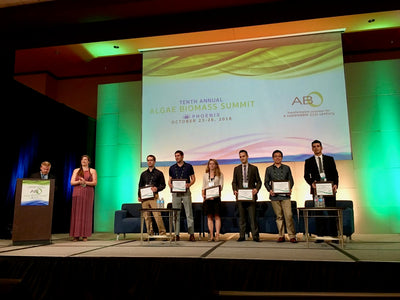
Explore Iconthin Biotech's record of accomplishments in algae research & business, from 2016 academic conference to current success.


