Skip to content


What Supplements Should I Take for Longevity? A Look at Astaxanthin’s Role

Introduction to Longevity and Nutritional Supplements
Longevity isn’t just about living longer—it’s about living better. For centuries, humans have searched for ways to extend their years while maintaining health, energy, and mental clarity. In recent decades, scientific advances in nutrition and biochemistry have uncovered several compounds that may help slow the effects of aging. One area receiving growing attention is nutritional supplementation, which aims to support the body’s natural defense systems and repair mechanisms.
The conversation around longevity is shifting from simply avoiding disease to actively promoting optimal health. This approach, often called “healthspan” optimization, focuses on the quality of years rather than just the quantity. People today are increasingly looking at supplements as tools for enhancing resilience against aging-related decline—particularly those targeting oxidative stress, inflammation, and cellular repair.
Supplements aren’t a magic pill, but when combined with healthy habits, they can be powerful allies in keeping the body functioning at its best. Among these, one compound is emerging as a remarkable contender in the longevity space—astaxanthin, an antioxidant with unique properties that set it apart from more well-known nutrients like vitamin C or vitamin E. But before we dive into its benefits, it’s important to understand why aging happens at the cellular level and how supplements fit into the picture.
The Growing Interest in Lifespan Enhancement
It’s no secret—modern society is obsessed with anti-aging. From high-end skincare serums to biohacking conferences, there’s an entire industry dedicated to slowing the clock. But the real game-changer lies in science-backed nutritional strategies. Researchers have found that certain supplements can target key aging processes, such as DNA damage, inflammation, and oxidative stress.
Part of this interest comes from the sheer increase in life expectancy over the past century. While we live longer, chronic illnesses like cardiovascular disease, diabetes, and neurodegeneration have also become more common. This has led to a crucial question: how do we not only live longer but also stay healthier?
As a result, longevity enthusiasts are moving beyond generic multivitamins and seeking more targeted compounds—molecules that can directly influence cellular repair, enhance mitochondrial efficiency, and protect against the environmental and metabolic stresses that accelerate aging.
Why Supplements Are Becoming Popular
Several factors explain the boom in supplement use for longevity:
-
Scientific Evidence – The explosion of peer-reviewed studies on nutrients and bioactive compounds has brought supplements from “folk remedies” into the realm of credible health interventions.
-
Preventive Health Trends – People are now more proactive about preventing disease rather than treating it after it occurs.
-
Accessibility – Supplements once only available in niche health stores can now be found online and in major retailers worldwide.
-
Biohacking Culture – Influencers, podcasters, and thought leaders in health optimization often share their supplement stacks, fueling public curiosity.
While there are dozens of supplements linked to healthy aging, one has captured the attention of scientists and health enthusiasts alike: astaxanthin. This deep red pigment, naturally produced by microalgae, is so potent that it’s often referred to as the “king of antioxidants.”
Understanding Longevity from a Biological Perspective
Before we explore astaxanthin’s role, we need to understand the biological processes behind aging. Longevity is not determined by a single factor but rather a complex interplay of genetics, lifestyle, and environmental influences. At the cellular level, three major players contribute to aging: oxidative stress, chronic inflammation, and mitochondrial decline.

Cellular Aging and Oxidative Stress
Every second, your body’s cells are bombarded by unstable molecules called free radicals—byproducts of normal metabolism, environmental toxins, and even sunlight exposure. These free radicals can damage proteins, DNA, and cell membranes in a process called oxidative stress. Over time, oxidative stress accelerates cellular damage and contributes to age-related diseases like Alzheimer’s, arthritis, and cardiovascular issues.
Antioxidants—like vitamins C and E—neutralize free radicals. But astaxanthin’s antioxidant strength is estimated to be hundreds of times stronger than these common nutrients, making it a promising ally in combating oxidative damage at a deeper level.
The Role of Mitochondria in Aging
Mitochondria are your cells’ power plants, producing the energy (ATP) you need for every function, from breathing to thinking. But these energy factories are also vulnerable to oxidative damage. When mitochondria are compromised, your energy levels drop, and aging speeds up.
Scientists believe that protecting mitochondrial health is key to longevity. Certain supplements—like Coenzyme Q10 and astaxanthin—have shown promise in shielding mitochondria from oxidative harm and improving their function, potentially slowing age-related decline.
Key Supplements for Longevity and Healthy Aging
While no single supplement is the “fountain of youth,” combining multiple science-backed nutrients can create a synergistic effect. Here are some of the most promising:
Vitamins and Minerals for Lifespan Support
Micronutrients like vitamin D, vitamin K2, magnesium, and zinc play vital roles in immune function, bone health, and cardiovascular support. Deficiencies can accelerate aging processes.
Omega-3 Fatty Acids for Heart and Brain Health
Found in fish oil and algae supplements, omega-3s reduce inflammation, improve brain function, and protect cardiovascular health—three pillars of healthy aging.
Coenzyme Q10 and Energy Production
CoQ10 is essential for mitochondrial energy production and has been linked to reduced oxidative stress and improved cardiovascular health.
Introducing Astaxanthin: The “King of Antioxidants”
Now we come to our main focus—astaxanthin. This powerful carotenoid is responsible for the pinkish-red hue in salmon, shrimp, and krill. Its natural source is the microalga Haematococcus pluvialis, which produces astaxanthin as a defense mechanism against intense sunlight and environmental stress.
Astaxanthin’s molecular structure allows it to embed itself within cell membranes, protecting both the inner and outer layers from oxidative damage—a feat many antioxidants cannot achieve. Studies show that astaxanthin can cross the blood-brain barrier, meaning it can protect brain cells directly from oxidative and inflammatory harm.
Unlike some antioxidants that can become unstable after neutralizing free radicals, astaxanthin remains stable and continues to protect cells without turning into a pro-oxidant. This makes it exceptionally safe and effective for long-term use in promoting longevity.
Scientific Research on Astaxanthin and Longevity
Astaxanthin’s reputation as a top-tier longevity supplement isn’t just hype—it’s backed by a growing body of scientific evidence. Over the past two decades, researchers have conducted numerous studies exploring its impact on oxidative stress, inflammation, cardiovascular health, cognitive performance, and even lifespan.
Anti-Inflammatory and Anti-Aging Benefits
One of the most powerful mechanisms by which astaxanthin supports longevity is its anti-inflammatory action. Chronic, low-grade inflammation—often called “inflammaging”—is a hallmark of aging and is closely tied to age-related diseases. This type of inflammation can silently damage tissues over decades, eventually leading to conditions like arthritis, heart disease, and neurodegeneration.
Astaxanthin works by downregulating pro-inflammatory compounds such as interleukin-6 (IL-6) and tumor necrosis factor-alpha (TNF-α), while enhancing the body’s own anti-inflammatory pathways. By doing so, it not only reduces the damage caused by free radicals but also interrupts the self-perpetuating cycle of inflammation and oxidative stress.
Animal studies have shown that astaxanthin supplementation can improve skin elasticity, reduce wrinkles, and enhance hydration—clear indicators that it helps slow visible signs of aging. In humans, clinical trials have reported improvements in eye health, joint comfort, and immune function, all of which contribute to a longer, healthier life.
Studies Linking Astaxanthin to Increased Lifespan
While direct evidence of astaxanthin extending human lifespan is still limited, animal research provides compelling clues. For instance:
-
In nematodes (C. elegans), a model organism widely used in aging research, astaxanthin supplementation significantly extended lifespan and improved stress resistance.
-
In rodents, astaxanthin reduced oxidative damage in multiple organs, preserved mitochondrial function, and improved endurance—factors strongly associated with longevity.
What makes these findings promising is that many of the mechanisms observed in animals—such as improved mitochondrial efficiency and reduced oxidative stress—are relevant to human biology as well. While it’s unrealistic to claim that astaxanthin is a “life extension pill,” the evidence suggests it can meaningfully support the biological processes that help maintain health with age.
Astaxanthin’s Role in Eye, Skin, and Brain Health
Astaxanthin’s antioxidant and anti-inflammatory powers extend beyond general wellness to specific areas that are vulnerable to aging:
Eye Health
Oxidative damage to the eyes contributes to age-related macular degeneration (AMD), cataracts, and glaucoma. Astaxanthin has been shown to protect retinal cells, improve blood flow to the eyes, and reduce eye fatigue from digital screen use.
Skin Health
By protecting skin cells from UV-induced oxidative damage, astaxanthin helps maintain collagen integrity and skin elasticity. Studies have found that it reduces fine lines, increases skin moisture, and improves overall texture.
Brain Health
Because astaxanthin can cross the blood-brain barrier, it may help protect neurons from oxidative and inflammatory damage. This is significant for preventing cognitive decline and conditions like Alzheimer’s disease.
How Astaxanthin Compares to Other Antioxidants
Not all antioxidants are created equal. While compounds like vitamin C, vitamin E, and beta-carotene are beneficial, astaxanthin’s structure gives it several advantages:
| Antioxidant | Strength vs. Free Radicals | Crosses Blood-Brain Barrier | Pro-Oxidant Risk | Unique Benefits |
|---|---|---|---|---|
| Vitamin C | Moderate | No | Low | Boosts immune health |
| Vitamin E | Moderate | No | Moderate at high doses | Protects cell membranes |
| Beta-Carotene | Moderate | No | Moderate at high doses | Precursor to vitamin A |
| Astaxanthin | Extremely high | Yes | None known | Protects both inner & outer cell membranes, supports eye & brain health |
This combination of potency, safety, and versatility makes astaxanthin a standout choice for those serious about longevity.
Best Sources and Dosages for Astaxanthin
If you’re considering adding astaxanthin to your supplement routine, you have two main sources:
-
Natural sources – Wild-caught salmon, krill, trout, and shrimp all contain astaxanthin, but the amounts are relatively small compared to supplement doses.
-
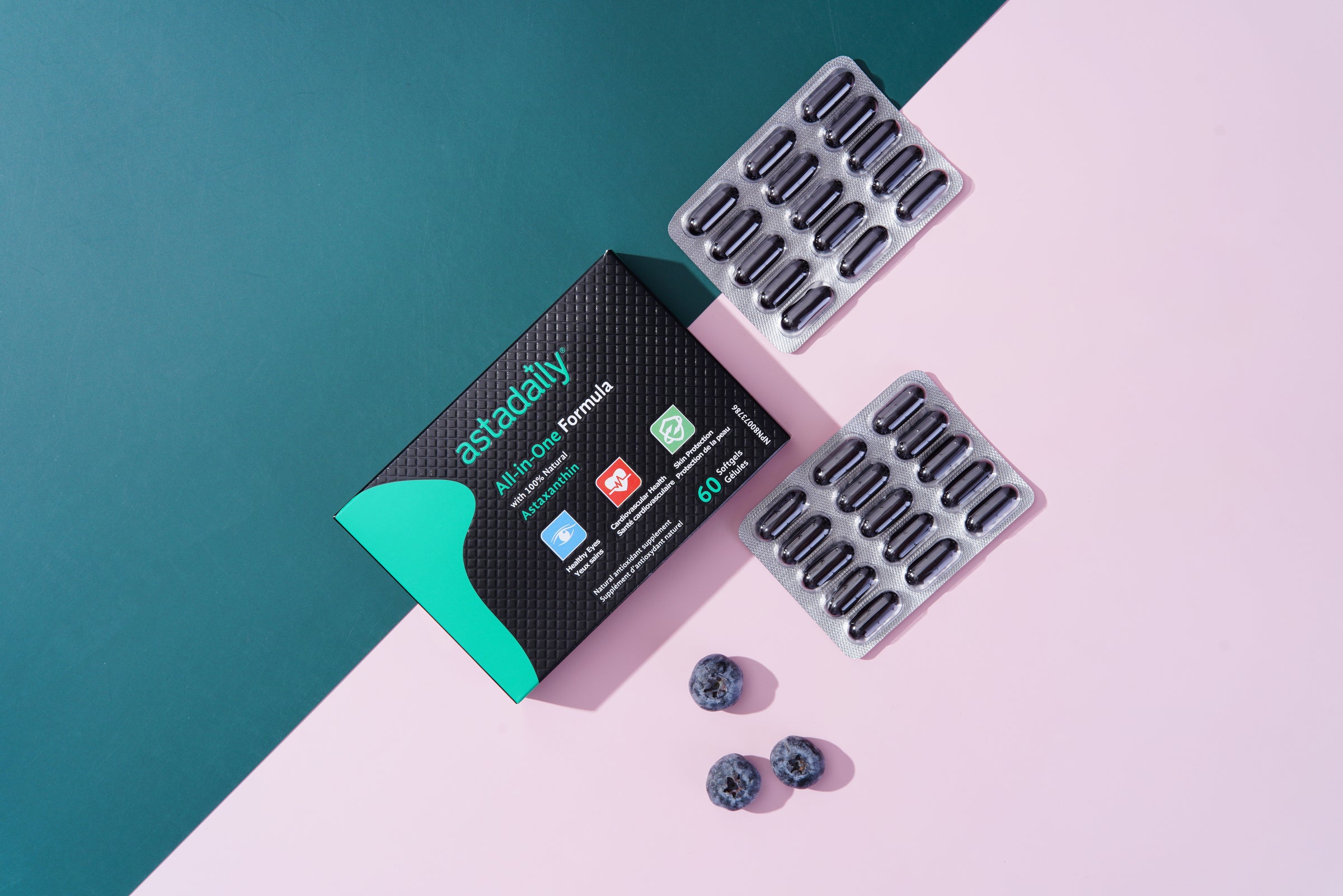
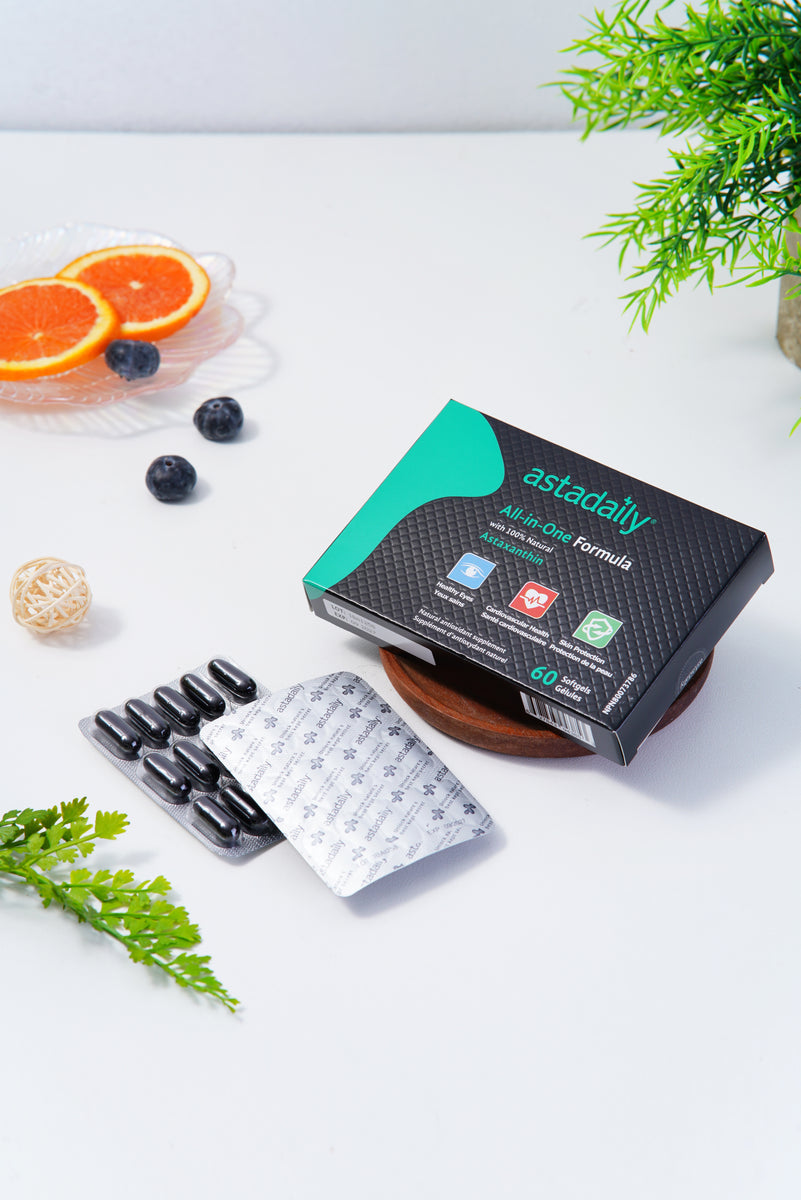
Supplement form – Extracted from Haematococcus pluvialis algae, usually in softgel capsules.
Common Dosage Range:
-
General wellness: 4–6 mg per day
-
Targeted therapeutic use (e.g., eye health, skin protection): 8–12 mg per day
-
Athletic recovery and performance: Up to 16 mg per day in clinical studies
Astaxanthin is fat-soluble, so it’s best taken with a meal containing healthy fats for optimal absorption.

Combining Astaxanthin with Other Longevity Supplements
Astaxanthin shines as a standalone supplement, but pairing it with other nutrients can amplify its effects. In longevity science, this is known as synergistic supplementation—where multiple compounds work together to target different aspects of aging.
Astaxanthin + Omega-3 Fatty Acids
Astaxanthin is naturally found in seafood, which also provides omega-3 fatty acids (EPA and DHA). Together, they form a potent anti-inflammatory duo. Omega-3s reduce chronic inflammation and support heart and brain health, while astaxanthin shields cells from oxidative stress.
Astaxanthin + Coenzyme Q10 (CoQ10)
Both compounds support mitochondrial health, but in different ways. CoQ10 is essential for ATP production, while astaxanthin protects mitochondria from oxidative damage. This combination can boost energy levels and endurance while slowing mitochondrial aging.
Astaxanthin + Vitamin D + Vitamin K2
Vitamin D supports immune health and bone density, while K2 ensures calcium is directed into bones and away from arteries. Astaxanthin adds antioxidant protection to this mix, supporting cardiovascular and overall health.
Astaxanthin + Lutein + Anthocyanin (Vision Health)
For eye health, this trio is particularly powerful. Lutein acts as a natural “sunscreen” for the eyes, filtering harmful blue light and reducing the risk of macular degeneration. Anthocyanins—pigments found in berries—improve retinal blood flow and help protect delicate eye tissues from oxidative stress. Astaxanthin enhances these benefits by protecting photoreceptor cells, improving ocular blood circulation, and reducing eye fatigue. Together, they create a comprehensive defense against age-related vision decline, digital eye strain, and oxidative damage to the retina.
By stacking supplements strategically, you can address multiple longevity pathways—oxidative stress, inflammation, mitochondrial function, and nutrient optimization.
Who Should Consider Taking Astaxanthin?
Astaxanthin is generally safe for most adults, but it can be particularly beneficial for:
-
Older adults looking to maintain vitality, protect brain health, and slow skin aging
-
Athletes seeking faster recovery, reduced muscle fatigue, and improved endurance
-
Individuals with eye strain from digital screens or early signs of vision decline
-
People in high-stress environments where oxidative damage is higher (e.g., heavy pollution, intense sunlight exposure)
It’s worth noting that those with shellfish allergies should avoid food sources of astaxanthin from crustaceans, but algae-based supplements are safe alternatives. Pregnant and breastfeeding women should consult their doctor before use, as research is still limited in these groups.
Potential Side Effects and Safety Considerations
Astaxanthin is considered extremely safe and well-tolerated. Unlike some antioxidants that may become harmful at high doses, astaxanthin does not appear to act as a pro-oxidant even at large intakes.
Possible mild side effects (rare and usually dose-dependent) include:
-
Slightly orange or pink skin tone (harmless and reversible)
-
Mild digestive upset when taken on an empty stomach
Drug interactions are minimal, but because astaxanthin has anti-inflammatory properties, it could theoretically enhance the effects of blood-thinning medications. If you’re on anticoagulants, it’s wise to check with your healthcare provider before starting supplementation.
Lifestyle Habits to Maximize Longevity Alongside Astaxanthin
While supplements can be powerful tools, they’re only one part of the longevity equation. To truly extend healthspan, you’ll want to combine astaxanthin with evidence-backed lifestyle practices:
-
Balanced Diet – Prioritize whole, nutrient-dense foods rich in antioxidants, healthy fats, and lean proteins.
-
Regular Exercise – Aim for a mix of resistance training, cardiovascular exercise, and flexibility work.
-
Stress Management – Chronic stress accelerates aging; meditation, yoga, and deep breathing can help.
-
Quality Sleep – Your body repairs itself during deep sleep; aim for 7–9 hours nightly.
-
Avoid Smoking & Excessive Alcohol – Both increase oxidative stress and shorten lifespan.
Astaxanthin can help protect your cells, but it works best in a body that’s supported by healthy daily habits.
Final Thoughts on Astaxanthin for Longevity
Astaxanthin may not be the mythical “fountain of youth,” but it’s one of the most promising natural compounds for supporting a longer, healthier life. With unmatched antioxidant power, the ability to cross the blood-brain barrier, and protective effects on the eyes, skin, and mitochondria, it stands out in the crowded supplement market.
When paired with a nutrient-rich diet, active lifestyle, and other targeted supplements, astaxanthin becomes a valuable ally in the quest for healthy aging. Science is still uncovering its full potential, but the evidence so far makes a strong case for including it in a well-rounded longevity plan.
FAQs
1. Is astaxanthin better than vitamin C for longevity?
Yes, in terms of antioxidant power, astaxanthin is significantly stronger and can protect cell membranes more effectively than vitamin C. However, vitamin C still plays important roles in immune health and collagen production, so both can be beneficial.
2. How long does it take to see results from astaxanthin?
Some people notice benefits such as improved skin hydration or reduced eye fatigue within 4–6 weeks, but deeper cellular effects may take several months.
3. Can astaxanthin replace other supplements?
No. Astaxanthin is powerful, but it works best alongside a variety of other nutrients that support different longevity pathways.
4. Is natural or synthetic astaxanthin better?
Natural astaxanthin from Haematococcus pluvialis algae is generally preferred for its purity and full-spectrum carotenoid content.
5. Can I get enough astaxanthin from food alone?
Not likely. You would need to eat large amounts of wild-caught salmon daily to match the dose found in supplements.